





The end of a lease is the part people know least about and worry about most. It is genuinely simple once you see the four paths, and the decision is easier if you start thinking about it six months out rather than six days out.
Six months out: check the market
Your buyout price was fixed on the day you signed. It is the residual value in your contract plus a purchase fee. The used car market moves; your buyout does not. Six months before the end, compare your buyout against what your exact car, with your mileage, is selling for locally.
If the market price is meaningfully above your buyout, you are holding equity. That equity is yours. You can buy the car and keep it, buy it and sell it, or trade it against your next lease. If the market price is below your buyout, hand the car back and let the lender carry the loss. That is the protection you paid for.
Three months out: the wear inspection
We book a free inspection at this point. It takes about twenty minutes and produces a written list of anything a lease-end inspector would charge for. You then have three months to fix items at your own price rather than the lender's.
This is also when we check your mileage against your allowance. If you are heading for an overage, there is still time to reduce driving or plan for the charge rather than being ambushed by it.
Your four options
Every lease ends in one of four ways. None of them is a trap, but they carry different costs.
- Hand it back. Return the car, pay any excess wear and mileage charges plus the disposition fee, typically $395 on our sample offers. Walk away clean.
- Buy it. Pay the residual plus the purchase fee. Sensible when the car is worth more than the buyout, or when you simply like it and it has been reliable.
- Extend it. Most lenders allow month-to-month extension at the same payment for up to six months. Useful when your next car is on order.
- Roll into the next lease. Hand back and sign a new lease, usually with the disposition fee waived by the same finance company. We chase that waiver for you.
Hand-back day itself
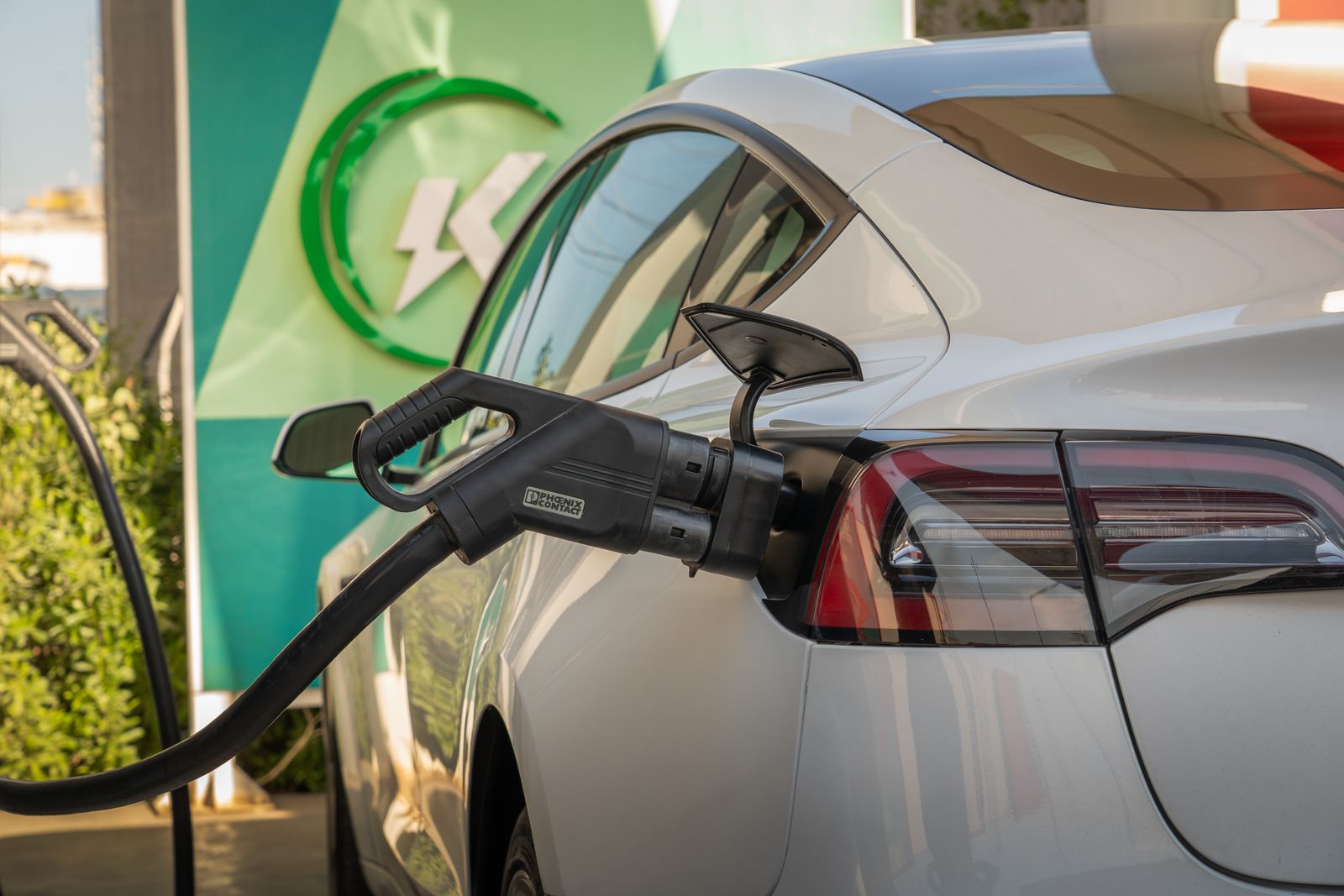
Bring both keys, the owner's manual, the cargo cover, and the charging cable on an electric car. Remove your E-ZPass transponder, your garage remote and anything in the glovebox. Take photos of the car and the odometer before you hand over the keys, and keep the signed condition report.
The lender sends a final statement within roughly three weeks. Check it against the condition report. Disputes are far easier to win when you have dated photos and a signed document from the day of return.
The mistake we see most
Waiting. People call us three weeks before their lease ends, having done none of the market comparison and none of the wear repairs. At that point the options narrow to hand it back and pay whatever is charged, which is the worst of the four outcomes and entirely avoidable.
We contact our own customers at the six-month mark and again at three. If you leased elsewhere and nobody has called you, that is a reasonable reason to consider leasing somewhere else next time.
Equity at lease end is real money. Most people hand it to the dealer because nobody told them to look.
Figures in this article are samples written for a demo website. Offers are subject to credit approval, and nothing here is financial or tax advice.