









Two decisions at signing cause almost every unpleasant surprise at lease end: the mileage allowance and an unclear idea of what counts as excess wear. Both are solvable in about twenty minutes before you sign anything.
Find your real annual mileage
Do not estimate. Your last two state inspection records, your insurance renewal documents and your service history all carry odometer readings with dates on them. Take the two furthest apart, subtract, and divide by the number of years between them. That is your real number.
In our experience the result is usually lower than people expect, particularly in Hudson County where a lot of commuting happens on PATH. Ferry commuters in Weehawken routinely come in under 6,000 miles a year while telling us they need 12,000.
Then adjust for what is changing
A new job in a different direction, a baby, a move from Hoboken to the suburbs or an aging parent in another state all change the number. Add the specific trips you know are coming rather than a general buffer.
One trip that people consistently forget is the airport. Two Newark Airport round trips a month from Jersey City is roughly 700 miles a year. Four is 1,400. It adds up quietly.
Buy the miles up front, always
If you are close to a threshold, buy the higher allowance at signing. On our sample offers the difference between 10,000 and 12,000 miles a year is a documented monthly amount, while the excess charge at hand-back runs 20 to 25 cents per mile. Going 4,000 miles over on a 36-month lease is a bill of roughly $900 that could have cost far less spread across the term.
The reverse is also worth knowing: unused miles are not refunded. Buying 15,000 when you drive 9,000 is money you will not see again. This is exactly why the odometer arithmetic matters.
What excess wear actually means
Lease-end inspectors work from a written standard, and most lenders publish it. The credit card test is the common shorthand: damage that fits behind a credit card is generally acceptable, damage larger than one is not. Here is what typically gets charged and what does not.
- Charged: dents larger than a credit card, scratches through to primer, cracked or chipped glass in the driver's sight line
- Charged: tires below the tread minimum, mismatched tires, kerbed alloy wheels with gouges
- Charged: torn or burned upholstery, missing trim, missing keys or charging cables
- Not charged: light stone chips on the front bumper, small door edge scuffs, worn floor mats, normal interior wear
- Not charged: aftermarket accessories you remove and return to original condition before hand-back
The 90-day inspection changes everything
We book a free wear-and-tear inspection 90 days before your lease ends. It exists for one reason: a windshield chip repaired at an independent shop for $80 becomes a $450 glass charge if the inspector finds it on hand-back day. Three months is enough time to fix small things at your own price with your own choice of shop.
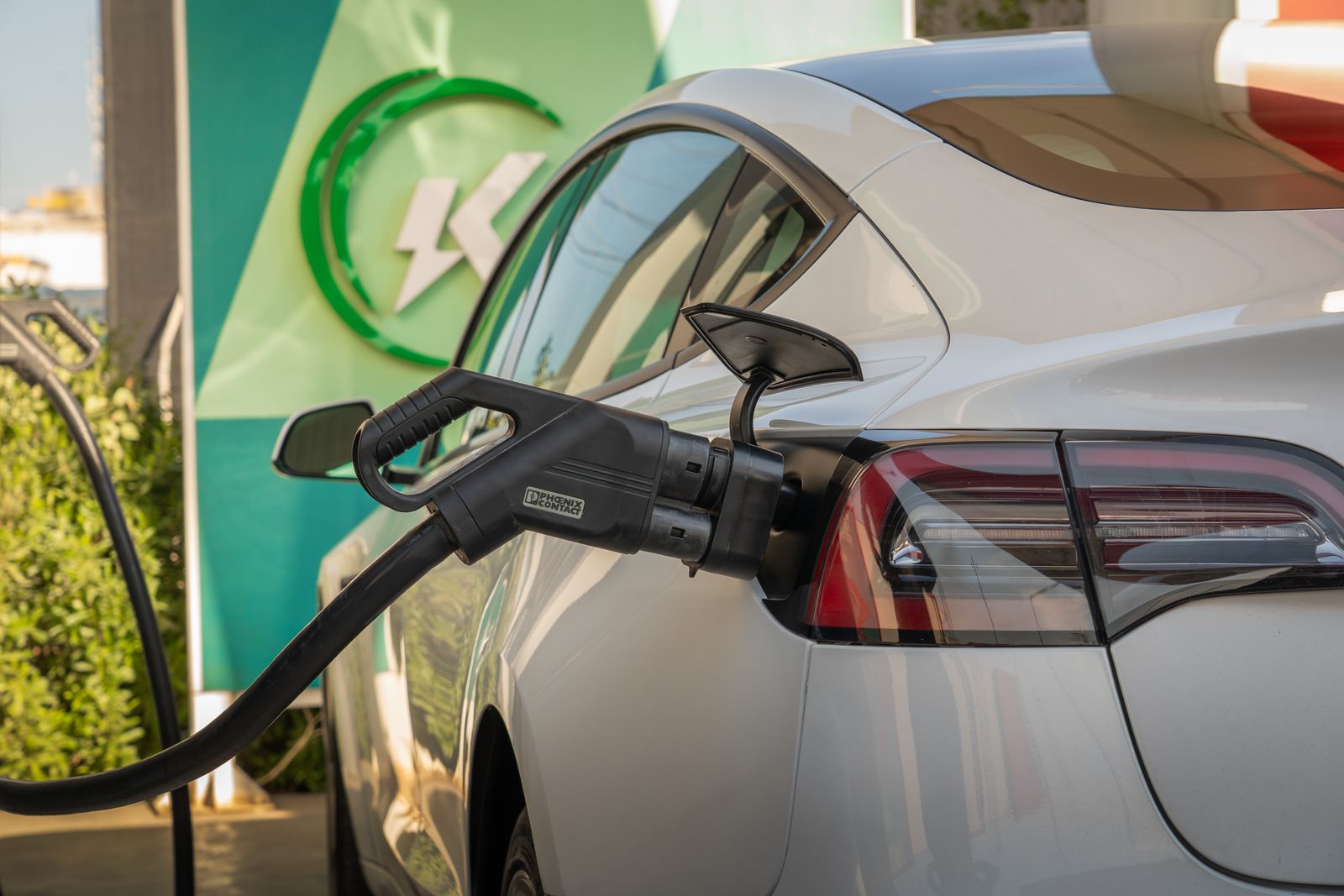
Bring the second key, the charging cable if it is an EV, the cargo cover and the owner's manual. Missing items are charged at retail and the retail price of a replacement key is genuinely upsetting.
Nothing at a lease-end inspection should be new information. If it is, someone did not do their job three months earlier.
Figures in this article are samples written for a demo website. Offers are subject to credit approval, and nothing here is financial or tax advice.